Organising a property viewing trip to the Costa Blanca
A viewing trip works when you arrive with the groundwork done: a short list of homes, a budget that includes Spanish taxes, your NIE under way and a clear idea of what you’d do if you found the right one. Here’s how to plan it for Altea, Albir and Alfaz del Pi, from the flight to the deposit.

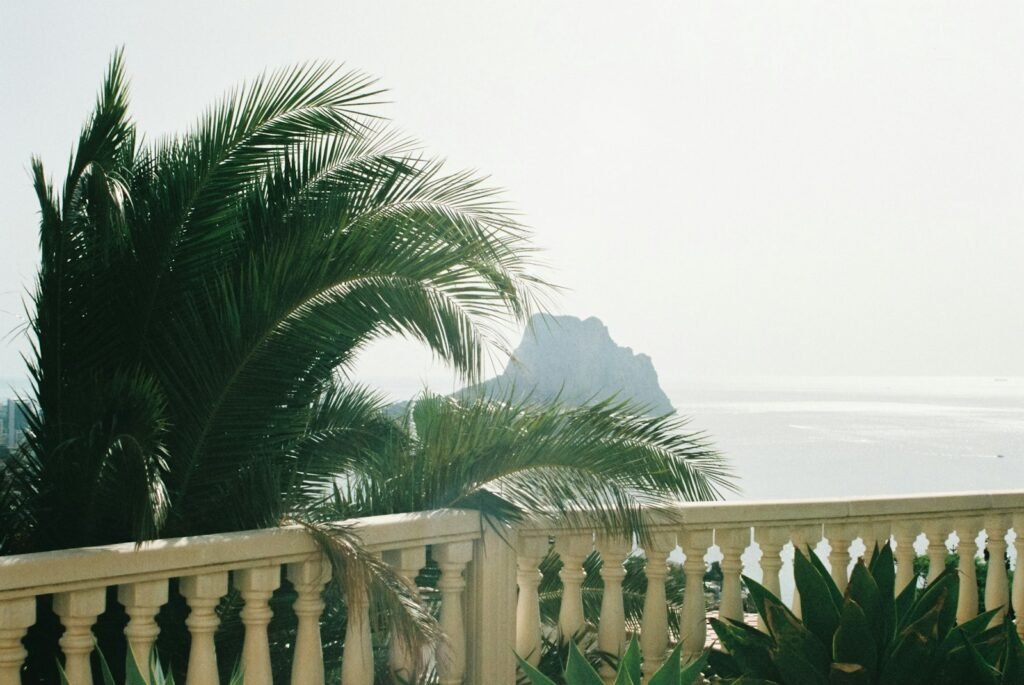
- Spring and autumn are good times to come: fewer crowds, easier driving and comfortable conditions for viewing. If damp or cold worries you, come in winter too.
- Before you fly: a shortlist, a budget that includes 9% transfer tax (11% over €1 million) and costs, a chat with a bank if you need a mortgage, and your NIE under way.
- From Alicante airport it’s about 65 km and just under an hour by car to Altea or Albir.
- Three or four viewings a day is realistic. If you find the one, the usual next step is a reservation or a deposit contract (arras), never before you’ve seen the land registry extract.
When is the best time for a viewing trip?
There’s no bad time, but each season shows you something different. Spring and autumn are the most comfortable: pleasant weather, quieter roads and easier flights and accommodation. It’s when lining up several viewings in a day is easiest.
July and August bring more traffic and more people in town, and many holiday homes are occupied by their owners or by summer tenants. It can be done, but arranging times takes more work.
Winter has an advantage few buyers use: you see the home as it will be when you live in it out of season. If a house is cold, damp or gets little sun, you’ll notice in January. If you’re thinking of spending winters here, it’s worth coming at least once at that time of year.
What should you sort out before you fly?
What you do at home decides whether the trip is for buying or just for looking.
A shortlist, not forty listings
Choose the area before the house. Altea, Albir and Alfaz del Pi are ten minutes apart but feel very different: a hilly old town, a seafront promenade, an estate with a garden. If you’re torn within Altea, read about Altea old town or Altea la Vella. Once you know the area, keep eight to ten homes and ask for photos, floor plans and 360 tours where they exist. Everything you rule out from your sofa is time saved here.
A budget that includes Spanish taxes
The asking price isn’t what you’ll pay. In the Valencia region, on a resale home the buyer pays transfer tax (ITP): 9% since 1 June 2026, or 11% if the value is over €1 million. On a new build from a developer you pay 10% VAT plus stamp duty (AJD), generally 1.4%. Add notary, land registry and, if you use one, a gestor. It’s all set out in our guide to buying property in Spain as a foreigner.
If you need a mortgage, talk to a bank first
Spanish banks lend to non-residents, but each sets its own limits and asks for its own paperwork from your home country. Find out before you come how much they would lend and what they need, so you know your real ceiling. Once there’s an offer, the law requires the bank to give you the European Standardised Information Sheet (FEIN) and the draft contract at least ten calendar days before signing, and you’ll need to see a notary who explains it to you. Build that into your timeline.
Get the NIE moving
Without an NIE (your Spanish foreigner’s identification number) you can’t sign the deed or pay the taxes. You apply in Spain, with a police appointment, or from home at a Spanish consulate, and appointments aren’t always quick. Apply as soon as you’re serious. It’s one of the NIE, notary and tax formalities we take care of.
If you’re British or from another country outside the Schengen area, you can stay up to 90 days in any 180-day period. If you plan several trips before completion, keep count.
How do you get to Altea and Albir from the airport?
The nearest airport is Alicante-Elche. From there it’s about 67 km by road to Altea and about 64 km to Albir and Alfaz del Pi: just under an hour without traffic. Valencia airport also works, but it’s around 144 km from Altea, nearly two hours’ drive.
For a viewing trip, hire a car. Homes are spread between the town, the hillside estates and the coast, and on public transport you won’t fit several into a day. Albir to Altea is about 6 km, ten minutes.
| Drive | Distance | Time without traffic |
|---|---|---|
| Alicante airport → Altea | 67 km | 56 min |
| Alicante airport → Albir | 64 km | 52 min |
| Alicante airport → Alfaz del Pi | 64 km | 51 min |
| Valencia airport → Altea | 144 km | 1 h 52 min |
| Albir → Altea | 6 km | 10 min |
These times are calculated on the map, without hold-ups. In summer and at rush hour, allow extra.
How many properties can you view in a day?
Three or four, five if they’re close together. A proper viewing takes half an hour to an hour, plus driving and parking. Try to see eight and by evening the houses blur together and you can’t remember which one had the south-facing terrace.
A good outline for a three- or four-day trip:
- Day 1: arrive and walk round the areas on your list at different times of day. Notice noise, parking, slopes and what’s within walking distance.
- Days 2 and 3: three or four viewings a day, grouped by area.
- Last day: second viewings of your two favourites, at a different time of day. That’s when many decisions become clear.
The second viewing, at a different time of day, is the one that prevents most mistakes.
What should you check at each viewing?
- Orientation and light. Where the sun falls in the morning and afternoon, especially in the living room and on the terrace.
- Damp. Marks on ceilings and in wardrobe corners, a musty smell, fresh paint on just one wall.
- Systems. Age of the boiler or water heater, air conditioning, fuse box and windows.
- What’s been built. If there’s a pool, an enclosed porch or an extension, ask whether it’s in the deeds and has a licence.
- The community. Monthly fee, what it covers and whether any special levies have been approved.
- Running costs. Ask for the latest IBI (council tax) bill and the community fees.
- Paperwork. An energy certificate is compulsory to sell and its label must appear in the advert. If you’re interested, ask for the nota simple from the land registry.
Here’s how to read a nota simple from the Spanish land registry.
What should you bring?
- Your passport or national ID card, and your driving licence for the hire car.
- Your shortlist with one sheet per home: price, size, community fees, IBI and your notes.
- A fully charged phone for photos and videos of every room, plus a photo of the front door or façade first, so you don’t mix up houses.
- A tape measure, if there’s furniture you want to bring over.
- Your bank paperwork, if you’ve started on a mortgage.
What do you do when you find the one?
First, don’t sign anything in a rush because of your flight home. The usual next step is one of these:
- A reservation: a simple document with a small payment that takes the home off the market for a few days while the checks are done.
- A deposit contract (arras): it sets the price, the deposit and the deadline to sign at the notary. With the most common type, arras penitenciales, if you pull out you lose the deposit, and if the seller pulls out they pay you back double.
Before you pay the deposit, check the basics: the nota simple (owner, registered size and any charges), IBI paid up, the community certificate showing no debts, the energy certificate and that what’s been built matches the deeds. If the seller isn’t resident in Spain, remember you’ll have to withhold 3% of the price and pay it to the Tax Agency on their behalf.
You don’t have to come back to sign: you can give a power of attorney to someone you trust. Meanwhile, we can handle the NIE, the notary and the taxes.
If you find the house on day two, it helps to know in advance which account the deposit will come from and how long a transfer from your bank takes.
The plan at a glance
| When | What | Key fact |
|---|---|---|
| 1-2 months before | Area, shortlist, budget including taxes | Transfer tax 9% (11% over €1m) or VAT 10% + AJD 1.4% |
| 1-2 months before | NIE and a chat with a bank | No NIE, no deed |
| The trip | 3-4 viewings a day, second viewings of favourites | Alicante → Altea: 67 km, under an hour |
| If you find it | Reservation or arras after seeing the nota simple | Pull out of penalty arras and you lose the deposit |
| Afterwards | Mortgage, notary, taxes and registry | FEIN 10 days before; tax within a month of signing |
If you’re looking in Albir, see our page as an estate agent in Albir. And if you’d like to ask us something or line up viewings before you book, get in touch.
Browse the homes we have for sale in Altea, Albir and Alfaz del Pi, with photos and 360 tours. When you have dates, we’ll show you round.
Frequently asked questions
What is the nearest airport to Altea? +
Alicante-Elche, about 67 km by road. Without traffic it takes just under an hour. Valencia airport is around 144 km away.
How long should a property viewing trip to Spain be? +
Three or four full days let you see ten to fifteen homes and go back to your two favourites.
Do I need an NIE to reserve a property? +
You definitely need it to sign the deed at the notary and to pay the taxes. Apply as soon as you decide to buy so it doesn’t hold up completion.
Do I have to come back to Spain to complete? +
No. You can give a power of attorney to someone you trust, signed before a notary in Spain or at a Spanish consulate in your country.
How much should I add to the purchase price? +
On a resale home, 9% transfer tax (11% over €1 million), plus notary, registry and gestor fees. On a new build, 10% VAT and 1.4% stamp duty, plus the same fees.
Founder of maXcasa International. Thirty years buying and selling homes on the Costa Blanca North, with clients from all over Europe.
Meet Max →